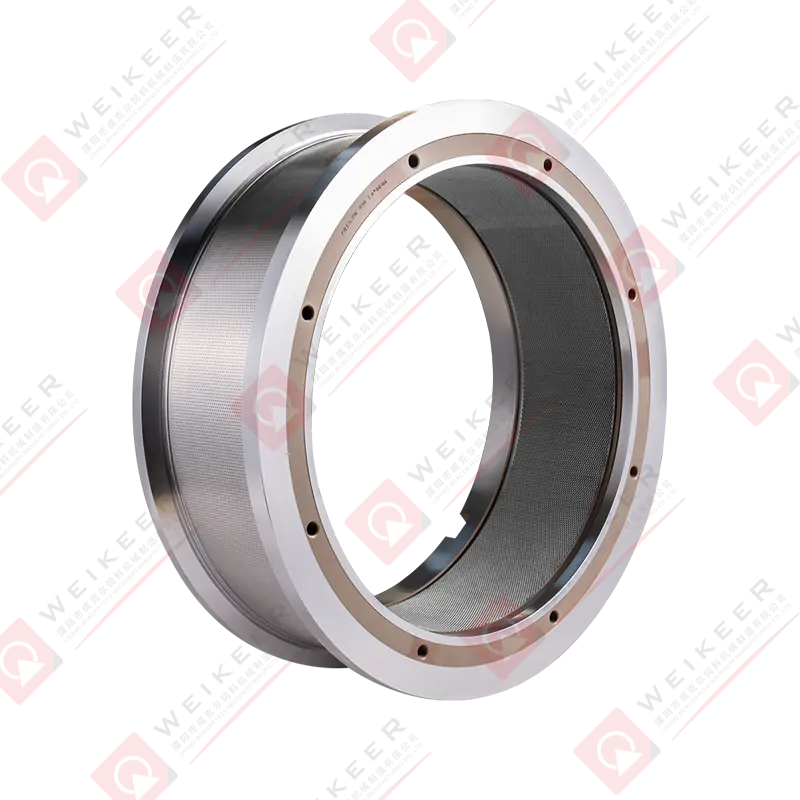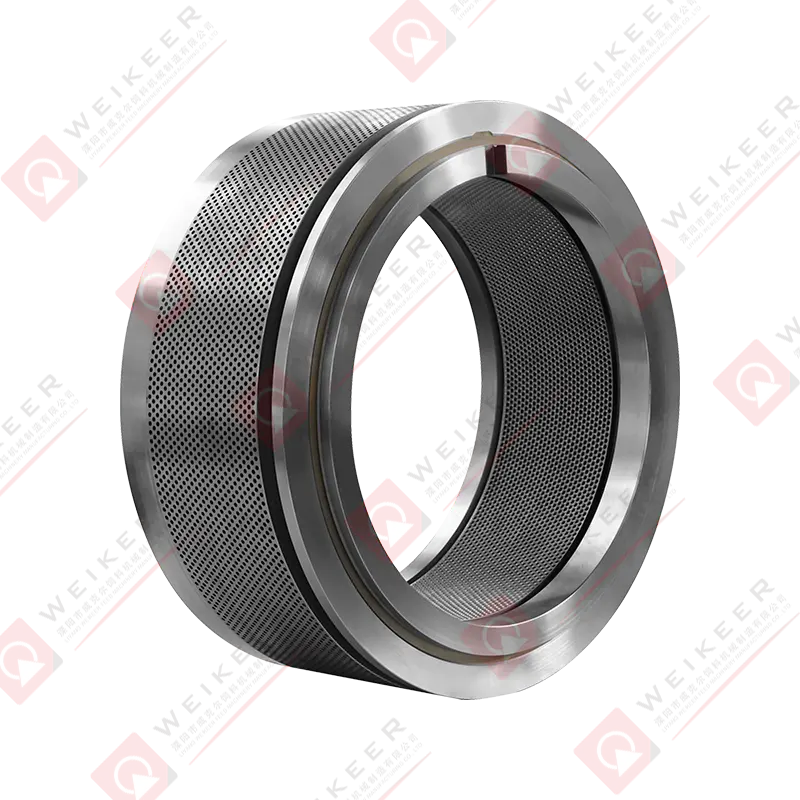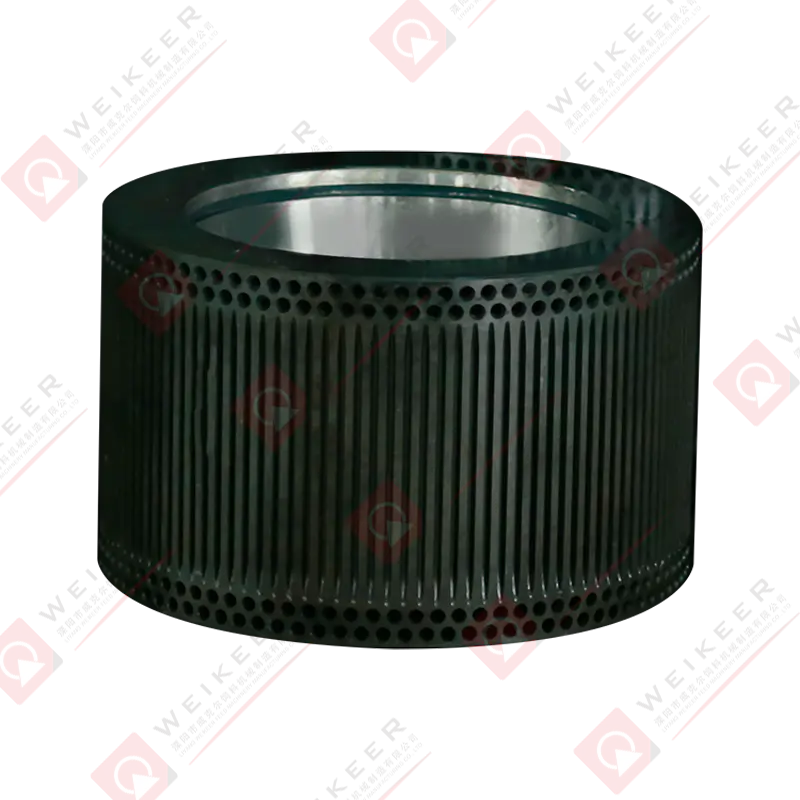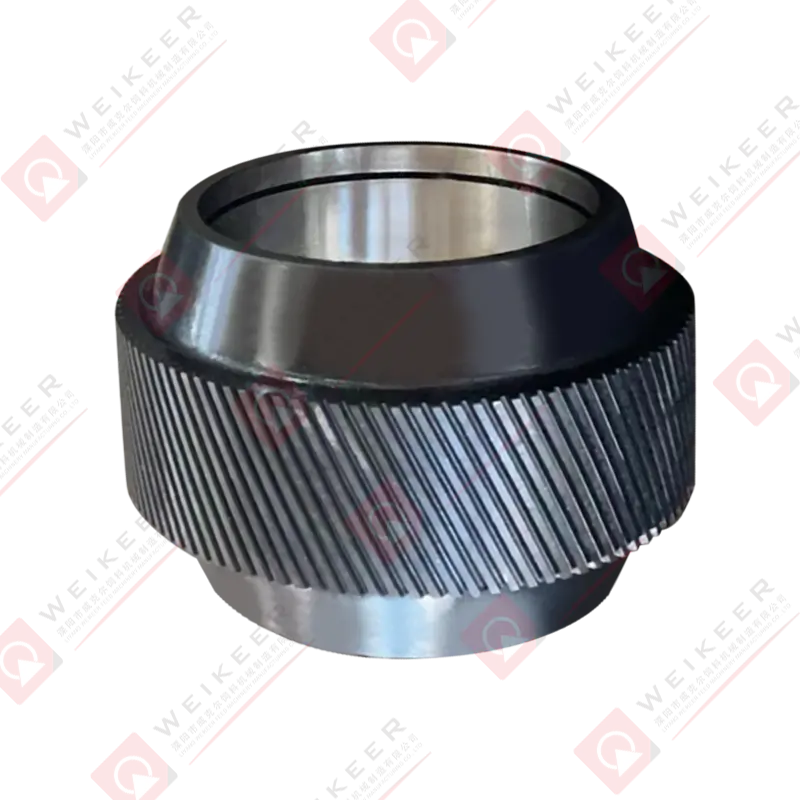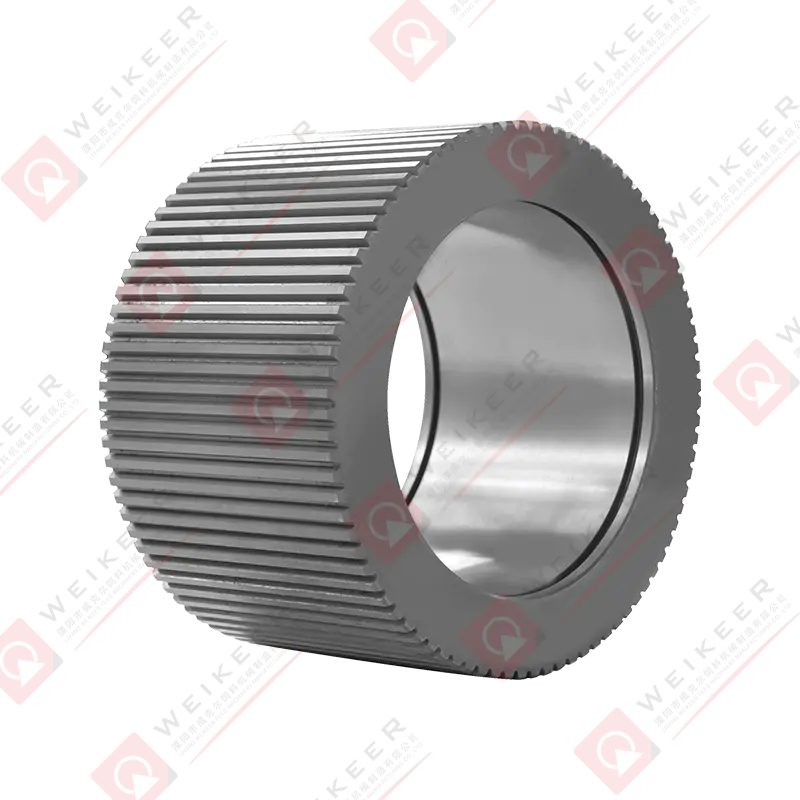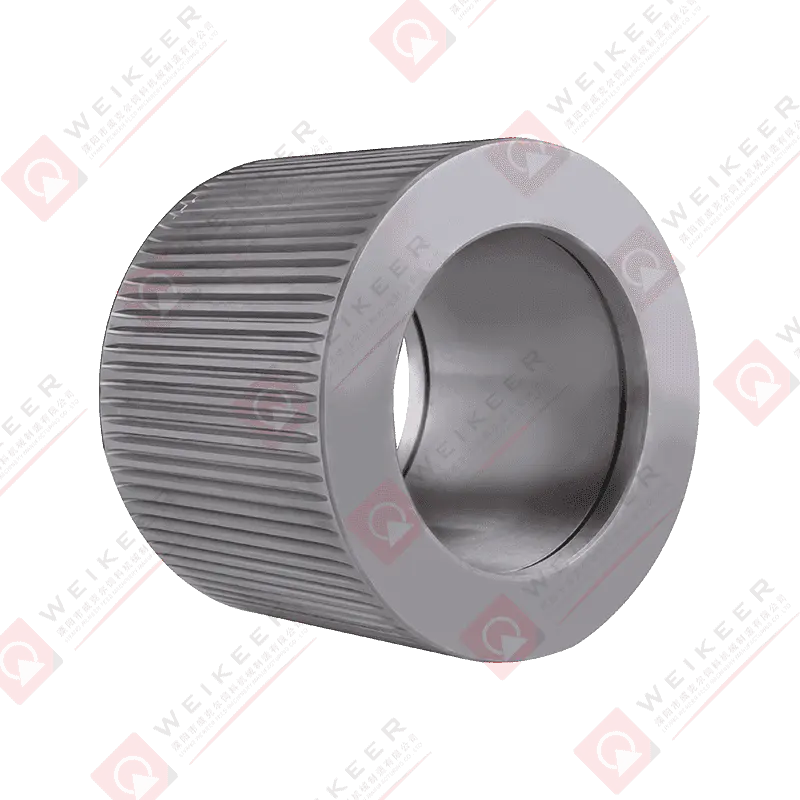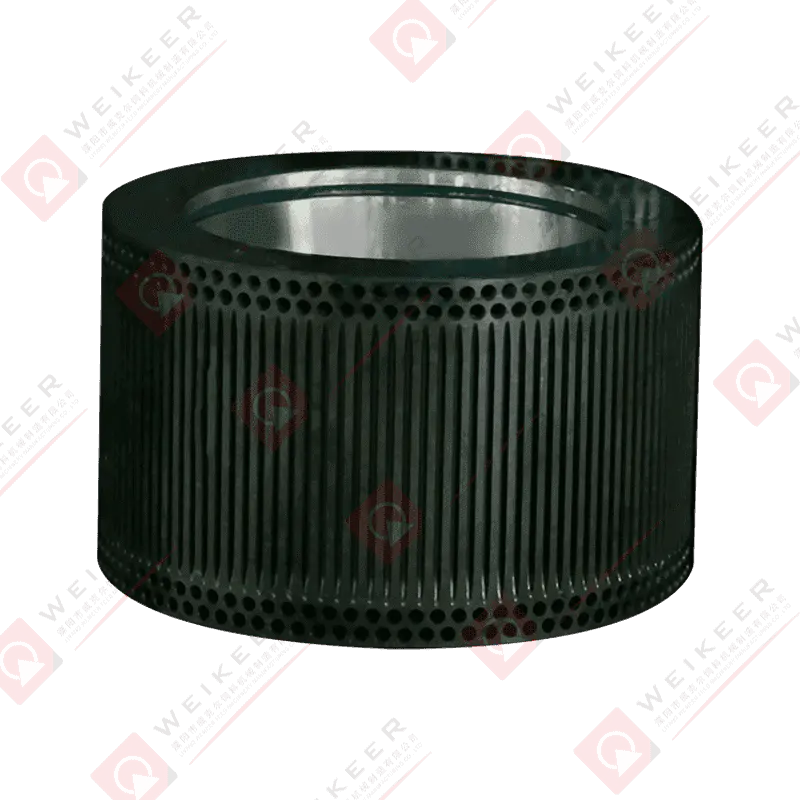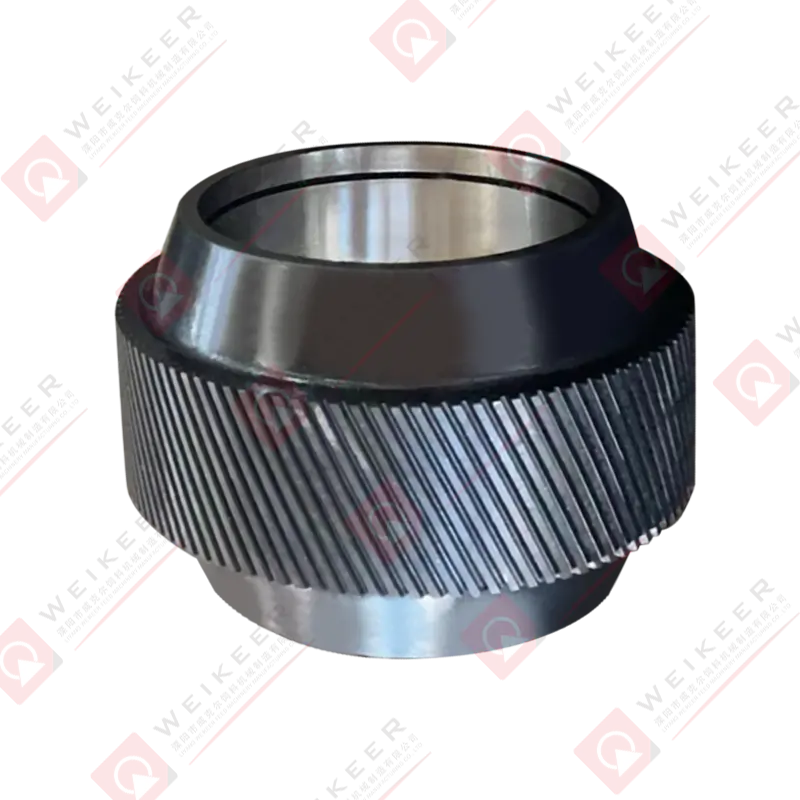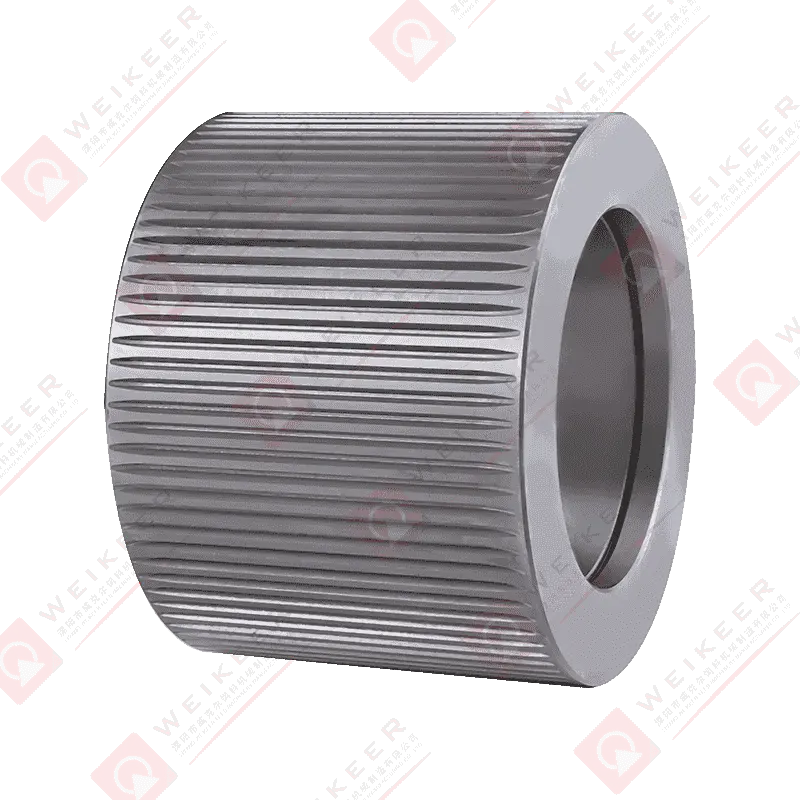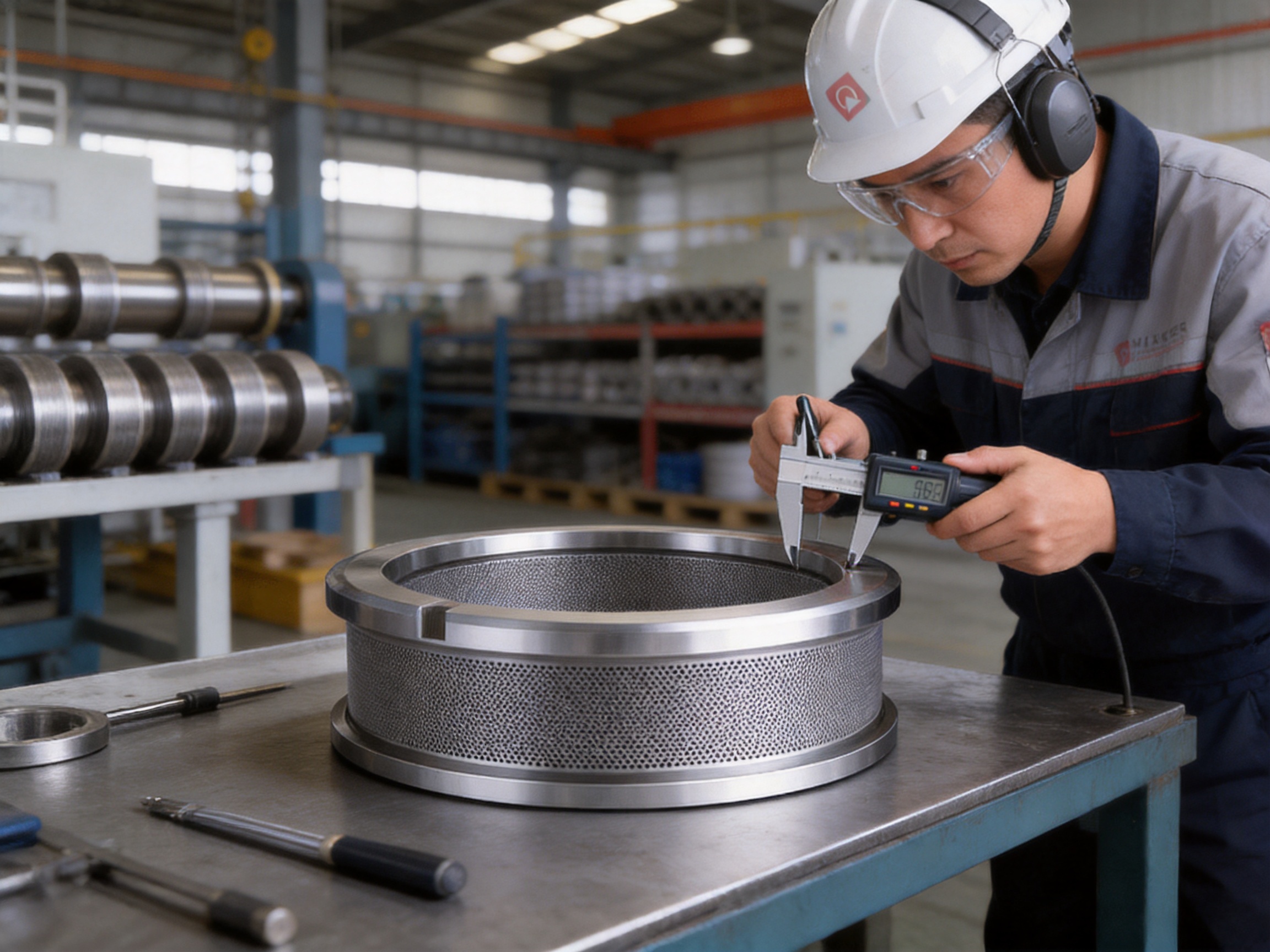
Complex fertilizer production depends on reliable granulation equipment that can convert blended raw materials into uniform, durable, and easy-to-handle pellets. Among the most important components in this process is the ring die. The die determines how fertilizer material is compressed, extruded, shaped, and discharged from the pellet mill. Its hole geometry, metal quality, dimensional accuracy, surface condition, and resistance to wear directly influence production capacity, pellet quality, energy consumption, and maintenance intervals.
The Anchorear Ring Die for complex fertilizer pellet mills is designed for demanding compound fertilizer, bio-fertilizer, and related granulation applications. It is manufactured from high-grade alloy steel or stainless steel to provide a combination of strength, durability, corrosion resistance, and dimensional stability. During operation, the ring die works together with the press rollers to force prepared fertilizer material through precisely formed perforations. As the die rotates, the compressed material emerges as continuous columns and is cut into pellets of the required length.
Compared with ordinary low-grade pellet machine dies, a properly manufactured complex fertilizer ring die offers better resistance to abrasive particles, improved performance when processing chemically active materials, more consistent pellet dimensions, and a longer operating life. These advantages can help fertilizer producers reduce unscheduled downtime and achieve more stable production across different formulations.
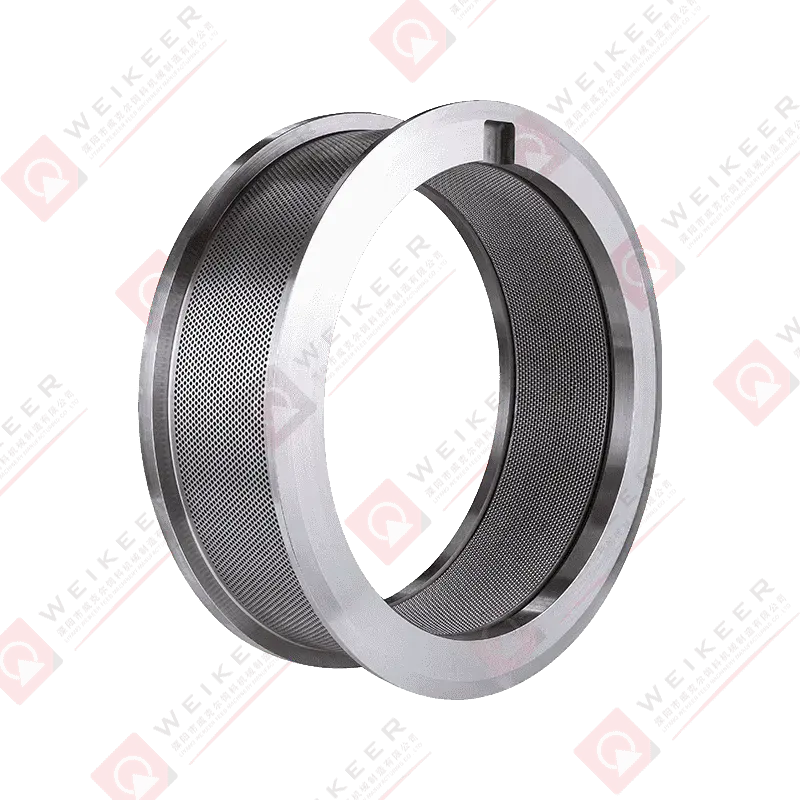
Complex Fertilizer Pellet Mill Anchorear Ring Die
1. The Role of a Ring Die in Complex Fertilizer Pelletizing
A ring die is a cylindrical or annular forming component installed in a ring-die pellet mill. It contains a large number of holes arranged around its circumference. Fertilizer feedstock enters the working chamber, where rotating press rollers compact the material against the internal surface of the die. The pressure generated by the rollers forces the material into the die holes.
When the die rotates, the compressed fertilizer passes through the perforations and forms continuous strands on the outside of the die. Cutting knives then divide these strands into individual pellets. The final pellet length is influenced by the relationship between hole diameter, effective hole length, material moisture, compression behavior, roller pressure, die speed, and knife position.
For complex fertilizers, this process can be more demanding than ordinary feed pelletizing. Fertilizer mixtures may contain mineral salts, nitrogen compounds, phosphate materials, potassium sources, organic carriers, binders, conditioners, and micronutrients. Some formulations are abrasive, while others can react with moisture or metal surfaces. The ring die must therefore withstand repeated mechanical pressure as well as possible chemical and corrosive influences.
The performance of the ring die affects several production targets:
Pellet uniformity: Correctly designed holes help produce pellets with consistent diameter and shape.
Throughput: A suitable open area and hole arrangement allow the pellet mill to maintain productive output without excessive resistance.
Energy efficiency: Accurate hole geometry and a suitable compression ratio reduce unnecessary friction and improve material flow.
Surface quality: A properly finished die reduces tearing, cracking, and irregular extrusion.
Service life: Strong and corrosion-resistant material helps the die withstand continuous production.
Operational stability: Consistent manufacturing tolerances help the die work smoothly with the press rollers and other pellet mill components.
2. Product Overview
The Anchorear Pellet Ring Die for complex fertilizer is a specialized die component for fertilizer granulation systems. It is suitable for compound fertilizer production and can also be used in applications involving bio-fertilizer and other formulated granular products. The component is designed to support continuous compression and extrusion while maintaining the dimensional accuracy required for commercial fertilizer production.
The die can be manufactured from high-grade alloy steel or stainless steel, depending on the fertilizer formulation, production conditions, expected service life, and customer requirements. Alloy steel provides a strong foundation for high-load operations and can be selected for its hardness and wear resistance. Stainless steel is appropriate when increased resistance to corrosion and chemically reactive materials is a priority.
The product is associated with the Yeong Ming Bo range of pellet mill equipment models, including BO108, BO353, BO464, BO513, BO579, BO188, BO373, BO474, BO521, BO624, BO254, BO420, BO504, BO523, BO676, BO303, BO458, BO509, BO524, BO681, BO336, BO462, BO512, BO556, and BO710. The model references help users identify compatible equipment configurations, while the final die design should always be confirmed against the actual pellet mill dimensions and operating requirements.
| Item | Product Information | Production Significance |
|---|
| Product type | Complex fertilizer pellet mill ring die | Forms blended fertilizer material into uniform granules |
| Main materials | High-grade alloy steel or stainless steel | Supports strength, wear resistance, and corrosion resistance |
| Working principle | Compression and extrusion through die perforations | Creates continuous fertilizer strands for cutting |
| Primary matching component | Pellet mill press roller | Provides the pressure needed for material compaction |
| Applications | Compound fertilizer, complex fertilizer, and bio-fertilizer | Supports multiple formulated fertilizer products |
| Important design factors | Hole diameter, hole pattern, effective thickness, and compression ratio | Influences capacity, density, pellet quality, and energy use |
| Available equipment references | BO108, BO353, BO464, BO513, BO579, BO188, BO373, BO474, BO521, BO624, BO254, BO420, BO504, BO523, BO676, BO303, BO458, BO509, BO524, BO681, BO336, BO462, BO512, BO556, and BO710 | Helps support equipment identification and replacement planning |
3. Why Material Selection Matters in Fertilizer Dies
Material selection is one of the most important factors in ring die design. A fertilizer die is repeatedly exposed to compressive loading, sliding contact, impact from dense particles, and thermal changes caused by continuous operation. At the same time, fertilizer ingredients can absorb moisture and form a chemically active environment.
High-grade alloy steel is frequently selected for applications where mechanical strength and resistance to deformation are essential. The die must maintain its shape under the pressure generated by the rollers. If the material is too soft, the holes may enlarge, become distorted, or develop worn edges. Such changes can reduce pellet consistency and increase the amount of rejected product.
Stainless steel provides an additional level of protection in applications where corrosion resistance is particularly important. Compound fertilizer materials may include salts and other substances that can accelerate surface deterioration when moisture is present. A corrosion-resistant die surface helps maintain the quality of the perforations and reduces the risk of rust contamination.
The correct material depends on the complete operating environment. Important considerations include fertilizer formulation, moisture level, production temperature, abrasive content, operating hours, cleaning procedures, storage conditions, and the desired replacement interval. A professional manufacturer can recommend an appropriate steel grade and treatment based on these factors rather than relying on a one-size-fits-all design.
The objective is not simply to use the hardest possible material. Excessive hardness without sufficient toughness may increase the risk of cracking or impact damage. A well-designed die balances hardness, toughness, machinability, corrosion resistance, and compatibility with the pellet mill structure.
4. Advantages Over Ordinary or Poorly Matched Dies
4.1 Better resistance to abrasive fertilizer ingredients
Many fertilizer formulations contain mineral particles that gradually wear the edges and internal walls of die holes. A die made with appropriate alloy steel and controlled heat treatment can resist this abrasive action more effectively than a low-quality die. Better wear resistance helps the holes retain their intended geometry for a longer period.
Stable hole geometry is important because worn holes can produce pellets with changing diameter, rough surfaces, or inconsistent density. The material may also require increasing roller pressure to maintain output, which can raise energy consumption and accelerate wear on other machine components.
4.2 Improved corrosion resistance
Corrosion is a major concern in fertilizer machinery, especially when the equipment is exposed to moisture, salts, or chemically reactive ingredients. Stainless steel options provide enhanced protection for applications where corrosion resistance is a priority. Even when alloy steel is selected, appropriate surface protection, cleaning, drying, and storage practices can help preserve the die.
Improved corrosion resistance contributes to longer service life and more reliable start-up after periods of storage. It also helps protect the precision surfaces that guide material through the holes.
4.3 More consistent pellet dimensions
Uniform pellets are easier to screen, package, transport, store, and apply in the field. The ring die plays a direct role in pellet diameter and shape. Precisely machined holes distribute the material-forming load more consistently around the die circumference.
When the die is properly matched to the fertilizer formula and pellet mill, the resulting pellets can show improved uniformity. This does not eliminate the need for correct mixing, moisture control, feed conditioning, and roller adjustment, but it provides a stable forming surface for the complete process.
4.4 Greater production stability
A ring die that maintains its dimensions under continuous operation helps reduce process fluctuations. Stable operation is especially valuable for producers making several fertilizer formulas on the same production line. Consistent die performance makes it easier to adjust feed rate, moisture, roller clearance, and cutting length.
Production stability can reduce the frequency of stoppages caused by blocked holes, uneven extrusion, excessive vibration, or abnormal roller loading. It can also make routine maintenance more predictable.
4.5 Reduced total operating cost
The purchase price of a die is only one part of its total cost. A low-priced die that wears quickly may require frequent replacement, additional labor, more downtime, and increased production losses. A durable, correctly specified ring die can provide better value through longer operating intervals and more dependable output.
Total operating cost also includes energy consumption and the possible effect of die wear on rollers, bearings, drive systems, and cutting knives. Maintaining the correct die geometry helps the entire pellet mill operate under more stable conditions.
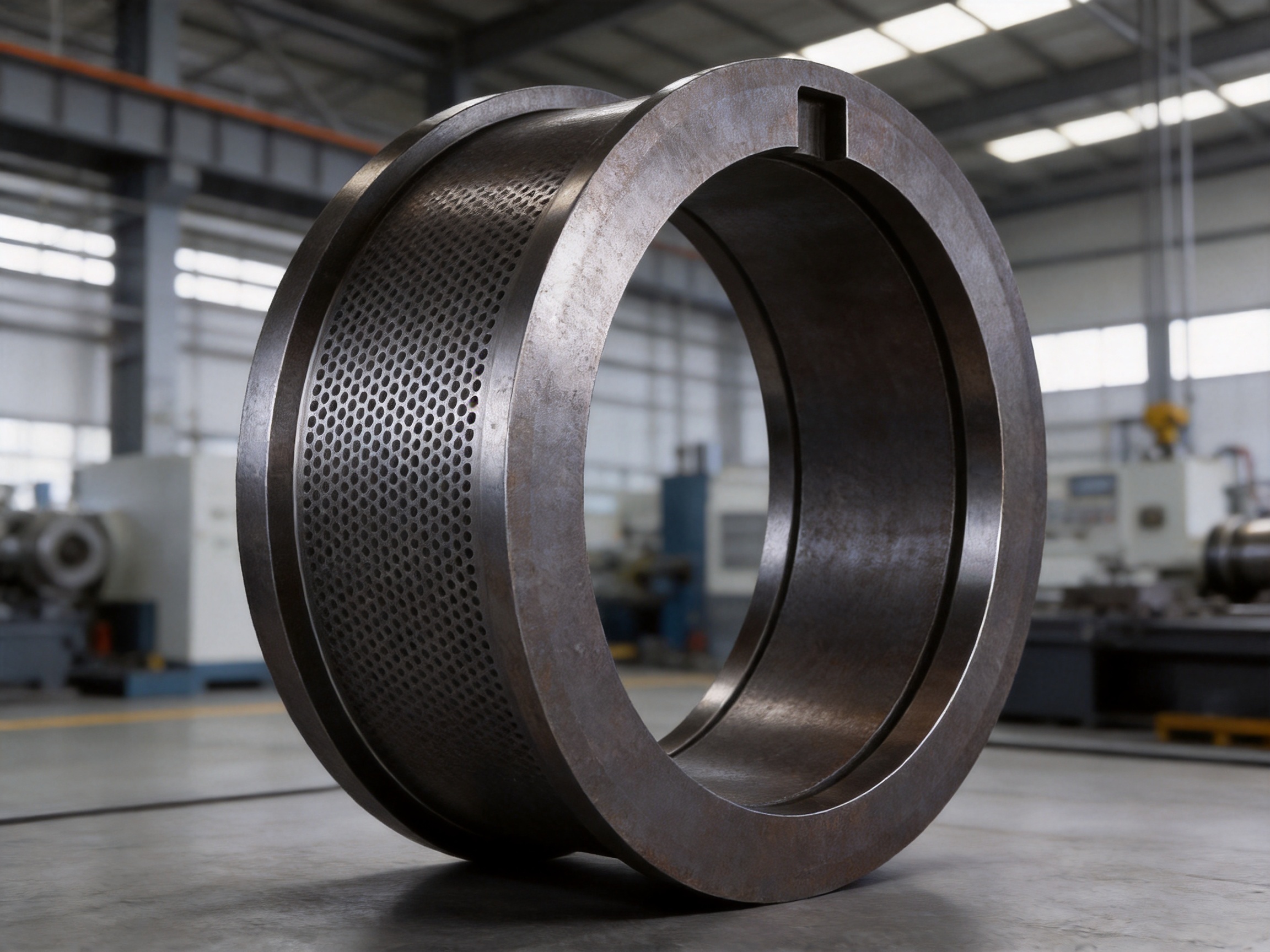
5. Advanced Manufacturing Approach
The quality of a ring die depends on more than the selected steel grade. It also depends on the manufacturing process used to transform raw material into a precision component. Liyang Weikeer Feed Machinery Manufacturing Co., Ltd. focuses on the production of pellet mill dies and related components for feed and fertilizer applications.
A professional manufacturing process begins with technical confirmation. Before production, the manufacturer should verify the pellet mill model, die dimensions, external diameter, internal diameter, working width, hole diameter, hole arrangement, compression ratio, material requirement, and mounting configuration. This technical review reduces the risk of supplying a die that is visually similar but mechanically incompatible.
5.1 Raw material preparation
Raw material quality influences the performance of the finished product. Steel selected for a ring die should have suitable chemical composition, consistent mechanical properties, and adequate cleanliness. Material identification and preparation help ensure that the blank is appropriate for the intended heat treatment and machining process.
The blank must also have sufficient allowance for turning, boring, drilling, finishing, and any subsequent treatment. Correct preparation helps maintain dimensional accuracy throughout production.
5.2 Precision forming and machining
The ring die body requires accurate machining of its circular surfaces, mounting faces, and internal working area. The relationship between these surfaces must be controlled because errors can affect installation, balance, roller contact, and material flow.
Die holes require particular attention. Their diameter, roundness, spacing, entrance condition, exit condition, and alignment all influence the extrusion process. Poorly finished holes can create additional resistance, encourage material buildup, or produce irregular pellets.
Computer-controlled machining and dedicated tooling can support repeatable production, particularly when many holes must be made around the circumference. Consistent machining reduces variation between holes and helps the die maintain balanced performance during rotation.
5.3 Heat treatment and hardness control
Heat treatment is used to improve the mechanical performance of the die material. The treatment must be selected according to the steel grade, die dimensions, application, and required balance between hardness and toughness. An excessively soft die may wear rapidly, while an excessively brittle die may be vulnerable to cracking or impact damage.
Controlled heating and cooling help develop a more consistent internal structure. After treatment, hardness testing and dimensional inspection can verify whether the material meets the production requirements. Surface hardness may also be checked at multiple locations to identify unacceptable variation.
5.4 Finishing and deburring
After drilling and heat treatment, finishing operations remove burrs and improve the surfaces that contact fertilizer material. Sharp or uneven edges inside the holes can interfere with extrusion and cause premature wear. Proper deburring helps the material enter and leave the perforations more smoothly.
Finishing also supports easier cleaning. A smoother working surface is less likely to retain damp fertilizer residues, which can contribute to corrosion and blockage during storage or between production batches.
5.5 Inspection and quality control
Quality control should cover both the die body and the perforation system. Dimensional inspection can confirm the principal diameters, widths, mounting details, and hole specifications. Visual inspection can identify cracks, dents, machining defects, corrosion, or incomplete finishing.
Depending on the production requirements, inspection may also include hardness verification, material traceability, balance evaluation, and functional matching with the pellet mill. A systematic quality process gives customers greater confidence that the die will install correctly and perform reliably.
6. Design Factors That Influence Performance
6.1 Hole diameter
Hole diameter is one of the clearest factors affecting pellet size. Smaller holes generally produce smaller pellets, while larger holes produce larger pellets. However, the practical result also depends on material behavior, moisture, pressure, and cutting conditions.
The chosen diameter should match the required fertilizer specification and the capacity of the pellet mill. A hole that is too small for a dense or poorly conditioned formulation may increase resistance and reduce output. A hole that is too large may produce pellets that do not meet the required application or packaging standard.
6.2 Compression ratio
The compression ratio describes the relationship between the effective working length of a hole and its diameter. It has a significant influence on pellet density, strength, production resistance, and energy demand.
A higher compression ratio can provide stronger or denser pellets for certain formulations, but it may also require greater force and more carefully controlled moisture. A lower compression ratio may improve throughput for materials that are difficult to compress, although the resulting pellet strength must be evaluated.
There is no universal compression ratio that suits every complex fertilizer. The correct selection depends on formulation characteristics, binder content, moisture, target density, hole diameter, and production speed.
6.3 Hole pattern and open area
The arrangement of holes affects how material loads are distributed around the die. A well-planned pattern provides a suitable balance between open area and structural strength. Excessive open area may weaken the die body, while insufficient open area can restrict production capacity.
Uniform distribution also supports balanced operation. Uneven hole placement can contribute to vibration or irregular material flow. The design must therefore account for both production requirements and the mechanical strength of the ring.
6.4 Working surface condition
The internal working surface should be sufficiently smooth and free from defects that could catch material or create localized wear. Surface condition is especially important for fertilizer mixtures containing moisture-sensitive or sticky components.
A well-finished surface can reduce material buildup and make cleaning more manageable. Operators should nevertheless follow suitable shutdown and cleaning procedures because even a high-quality die can be damaged by hardened residues left inside the holes.
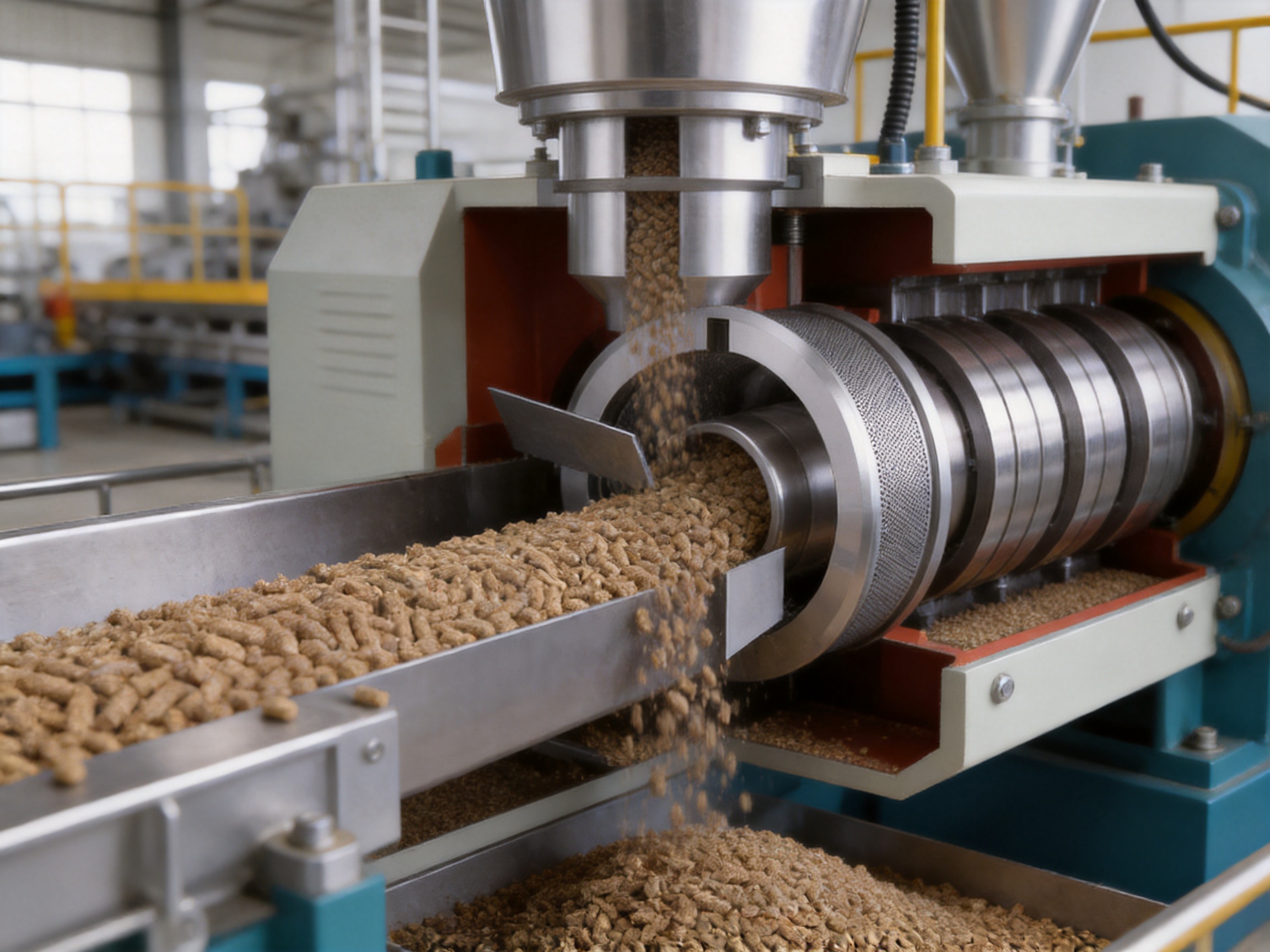
7. Application in Complex Fertilizer Production
Complex fertilizer is commonly produced by combining several nutrient sources into one formulation. The finished product may be intended to deliver nitrogen, phosphorus, potassium, secondary nutrients, or micronutrients in a controlled blend. Pelletizing turns the mixed ingredients into a more convenient granular form.
In a typical process, raw materials are measured and mixed before entering a conditioning or granulation stage. Moisture and binders may be adjusted to improve cohesion. The prepared material then enters the pellet mill, where the ring die and press rollers apply mechanical pressure.
The die forms the material into continuous strands. Cutting knives divide the strands into pellets, after which the product may undergo screening, cooling, drying, coating, and packaging. The ring die must perform consistently within this complete production system.
For bio-fertilizer applications, the product may contain microorganisms intended to support soil health and nutrient availability. In such cases, process conditions must be selected carefully to avoid damaging sensitive biological components. The ring die provides the forming function, while temperature, moisture, pressure, and residence time must be managed according to the biological formulation.
The ability to produce stable pellets is valuable for fertilizer distribution. Uniform granules are less likely to segregate during handling and can provide more predictable application in agricultural operations. Good pellet integrity also reduces dust formation during conveying and packaging.
8. Matching the Ring Die with Press Rollers
The ring die and press rollers operate as a working pair. Even a high-quality die may perform poorly if the rollers are worn, incorrectly adjusted, or unsuitable for the material. Correct matching is therefore necessary for efficient pelletizing.
Roller clearance should be adjusted according to the equipment design and material condition. Excessive clearance may reduce compression and allow material to pass unevenly. Insufficient clearance may increase friction, overload the drive system, and accelerate wear on both rollers and die.
Roller surface condition is also important. Worn or damaged rollers can create uneven pressure around the die. This may result in irregular extrusion, localized wear, unstable amperage, or reduced pellet quality.
Before installing a replacement ring die, operators should inspect the rollers, scraper, cutting knives, bearings, housing, and drive components. The die mounting surfaces should be clean and free from foreign material. Bolts and fasteners should be tightened according to the equipment manufacturer’s instructions.
After installation, the pellet mill should be started gradually. A short running-in period using a suitable material can help condition the die holes and confirm that the machine is operating normally. Operators should monitor vibration, current, noise, product appearance, and material flow during this stage.
9. Operational Benefits for Fertilizer Manufacturers
A durable and accurately manufactured ring die can provide benefits throughout the production line. Stable extrusion helps reduce variation in pellet size and improves the efficiency of downstream screening. When fewer undersized or oversized particles are produced, less material may need to be recycled.
Improved wear resistance can extend the interval between die replacements. This is valuable for plants that operate continuously or handle large seasonal orders. Planned maintenance is generally easier to manage than emergency replacement during peak production periods.
Corrosion resistance is also valuable in plants where fertilizer dust and moisture are difficult to eliminate completely. Better resistance to surface deterioration can preserve the die’s working condition during normal use and storage.
Another advantage is production flexibility. A manufacturer supplying dies for multiple pellet mill models can help users select replacement components for different equipment configurations. Model identification, technical consultation, and customized hole design support more reliable purchasing decisions.
10. Installation, Use, and Maintenance Recommendations
10.1 Before installation
Confirm that the replacement die matches the pellet mill model and the required mounting dimensions. Check the die for transport damage, surface defects, contamination, or blocked holes. Verify that the press rollers and internal machine surfaces are clean and in usable condition.
Do not force a die into position if the mounting surfaces do not align. Forced installation can damage the die, housing, fasteners, or drive system. Any mismatch should be investigated before operation begins.
10.2 During operation
Maintain a steady feed rate and avoid sudden overfeeding. Excessive feed can overload the pellet mill and increase pressure on the die and rollers. Material moisture should remain within the suitable range for the fertilizer formulation.
Monitor motor current, vibration, noise, die temperature, and pellet appearance. Changes in these indicators may signal blocked holes, roller wear, poor conditioning, foreign material, or progressive die damage.
Foreign metal objects and hard contaminants should be prevented from entering the pellet mill. They can cause severe damage to the ring die and rollers and may create a safety hazard.
10.3 After production
When production ends, remove residual fertilizer material from the working chamber and die holes. Moist fertilizer left inside the perforations can harden and make later start-up difficult. It may also increase corrosion risk.
Cleaning methods should be compatible with the die material and the fertilizer residue. After cleaning, dry the component thoroughly. If the die will be stored for an extended period, it should be protected from moisture and corrosive atmospheric conditions.
10.4 Inspection and replacement
Inspect hole diameter, hole shape, surface condition, cracks, corrosion, and signs of uneven wear at regular intervals. Compare the current condition with production records and the original specifications.
A ring die should be replaced when wear causes unacceptable pellet variation, excessive energy consumption, reduced output, unstable operation, or a risk of mechanical failure. Continuing to operate a severely worn die may damage the rollers and increase the overall cost of repair.
11. Manufacturing Strengths of the Supplier
Liyang Weikeer Feed Machinery Manufacturing Co., Ltd. specializes in pellet mill dies and related equipment components. Its product focus supports technical familiarity with the interaction between ring dies, press rollers, fertilizer materials, and pellet mill operating conditions.
The company’s manufacturing strength is based on the ability to combine material selection, precision machining, heat treatment, finishing, and inspection within a coordinated production process. This integrated approach is important because ring die performance depends on the relationship between every stage rather than on one isolated operation.
Technical communication is another important strength. Customers may have different pellet mill models, fertilizer formulas, hole diameters, production capacities, and service-life expectations. A professional supplier can review these requirements before recommending a die configuration.
The company provides ring die solutions for equipment references within the Yeong Ming Bo range, including the listed BO models. This experience can assist customers who need replacement dies for existing pellet mills or require a new die for a specific production arrangement.
Production support should also include guidance on installation, roller matching, operating conditions, cleaning, storage, and replacement planning. Such support helps customers obtain more value from the product and reduces the likelihood of premature failure caused by incorrect use.
12. Comparison with Low-Quality Alternatives
| Performance Factor | High-Quality Complex Fertilizer Ring Die | Low-Quality or Poorly Matched Die |
|---|
| Material performance | Selected alloy steel or stainless steel suited to the application | Unverified material with inconsistent properties |
| Hole accuracy | Controlled diameter, spacing, and finishing | Greater variation and rough or irregular edges |
| Wear resistance | Designed to resist abrasive fertilizer particles | Rapid enlargement or deformation of holes |
| Corrosion resistance | Improved resistance through material selection and finishing | Greater risk of rust and surface deterioration |
| Pellet quality | More stable diameter, density, and appearance | Higher risk of cracks, variation, and excess fines |
| Energy performance | Suitable geometry can reduce unnecessary resistance | Excessive friction may increase power demand |
| Operating life | Longer service potential when correctly operated | Shorter replacement intervals |
| Maintenance impact | More predictable inspection and replacement planning | Frequent stoppages and unexpected repairs |
The comparison does not mean that one die design is suitable for every factory. Performance depends on correct specification and proper operation. However, the table illustrates why material quality, precision manufacturing, and technical matching should be considered together when purchasing a pellet mill die.
13. Customization and Technical Selection
Fertilizer producers should provide sufficient technical information when requesting a ring die. Useful details include the pellet mill manufacturer and model, existing die dimensions, target pellet diameter, production material, expected capacity, operating hours, moisture range, and preferred steel type.
Photographs and drawings of the existing die can also help confirm mounting details. If the customer has production records, information about current output, motor load, die service life, and common problems can support a more accurate recommendation.
Customization may involve hole diameter, compression ratio, hole arrangement, die thickness, working width, material selection, and surface treatment. The purpose of customization is not merely to create a special product; it is to ensure that the die is aligned with the actual process conditions.
For producers using several formulations, separate dies may be appropriate for different pellet sizes or compression requirements. Attempting to use one unsuitable die for every formula can reduce efficiency and increase wear. A planned die selection program may improve overall plant productivity.
14. Quality and Sustainability Considerations
Longer-lasting pellet mill components can contribute to more sustainable manufacturing by reducing the frequency of replacement and the consumption of raw materials. A die that maintains stable performance can also reduce rejected product and the energy associated with repeated processing.
Efficient pelletizing supports better use of fertilizer ingredients. When pellets are uniform and durable, less material may be lost as dust or fines during handling. Improved granule integrity can also reduce packaging losses and transport damage.
Responsible maintenance is equally important. Cleaning, inspection, correct lubrication of related machine components, and proper storage can extend the useful life of the ring die. Operators should follow safe procedures when handling heavy components and working inside pellet mill equipment.
15. Frequently Asked Questions
Q1: What is the main function of a complex fertilizer ring die?
The ring die forms prepared fertilizer material into pellets. Press rollers compress the material and force it through the die perforations. The extruded strands are then cut into individual granules.
Q2: What materials are available for the die?
The product can be manufactured from high-grade alloy steel or stainless steel. The appropriate choice depends on the fertilizer formulation, abrasive content, moisture, corrosion risk, operating hours, and required service life.
Q3: Can the die be used for bio-fertilizer?
Yes, the ring die can be used in bio-fertilizer production when the pellet mill and process conditions are suitable. Because bio-fertilizers may contain living microorganisms, the complete process should be controlled to protect the biological activity of the formulation.
Q4: How does hole diameter affect the final pellet?
Hole diameter is closely related to pellet diameter. Smaller holes generally produce smaller pellets, while larger holes generally produce larger pellets. Final results also depend on moisture, compression ratio, feed composition, roller pressure, and cutting conditions.
Q5: Why is compression ratio important?
Compression ratio influences pellet density, strength, production resistance, and energy use. A suitable ratio must be selected according to the fertilizer material and desired pellet properties.
Q6: How can a buyer confirm compatibility?
The buyer should provide the pellet mill model, existing die dimensions, mounting details, hole specifications, and target pellet size. The supplier can then review the information and confirm the appropriate configuration.
Q7: What are the signs that a ring die needs replacement?
Common signs include inconsistent pellet diameter, increased fines, reduced output, rising motor current, excessive vibration, enlarged or damaged holes, corrosion, visible cracks, and a significant reduction in service life.
Q8: Can a worn die affect the press rollers?
Yes. A worn or uneven die may cause irregular loading and require greater roller pressure. This can accelerate wear on the rollers, bearings, drive system, and other pellet mill components.
Q9: How should the die be stored?
The die should be cleaned, dried, protected from moisture, and stored in a location with suitable environmental conditions. Fertilizer residue should not be left inside the holes during long-term storage.
Q10: What makes a high-quality die different from a low-cost alternative?
A high-quality die generally offers better material consistency, hole accuracy, surface finishing, wear resistance, corrosion resistance, and technical matching. These characteristics can improve production stability and reduce total operating cost.
Q11: Is one ring die suitable for all fertilizer formulas?
No. Different formulations may require different hole diameters, compression ratios, materials, or surface treatments. Die selection should be based on the material and the intended pellet specifications.
Q12: What support should be expected from a professional supplier?
Support may include product selection, dimensional confirmation, material recommendations, model matching, installation guidance, operating advice, maintenance recommendations, and assistance with replacement planning.
16. Conclusion
The Anchorear Complex Fertilizer Pellet Mill Ring Die is a key forming component for compound fertilizer, complex fertilizer, and selected bio-fertilizer applications. Its function is simple to describe but demanding to perform: it must withstand continuous pressure, guide material through precision perforations, maintain dimensional stability, and support the production of consistent granules.
Its principal advantages include the use of high-grade alloy steel or stainless steel, resistance to abrasive and chemically active fertilizer materials, stable hole geometry, compatibility with press roller operation, and suitability for continuous pellet production. When the die is correctly matched to the pellet mill and material formulation, it can contribute to improved pellet quality, reduced downtime, more predictable maintenance, and lower total operating costs.
The manufacturing process is equally important. Raw material selection, precision machining, heat treatment, hole finishing, dimensional inspection, and technical matching all contribute to final performance. Liyang Weikeer Feed Machinery Manufacturing Co., Ltd. combines experience in pellet mill die production with product support for multiple equipment configurations and fertilizer applications.
For the best result, buyers should treat the ring die as a process-specific component rather than a generic replacement part. Correct dimensions, hole design, compression ratio, steel type, roller condition, feed preparation, and maintenance practices must work together. With proper selection and operation, this ring die can provide a dependable forming solution for modern fertilizer granulation lines.
References
1. General principles of fertilizer granulation and pellet mill operation.
2. Technical guidance on alloy steel and stainless steel selection for wear-resistant industrial components.
3. Standard practices for ring die inspection, installation, cleaning, and storage.
4. Industrial manufacturing principles for precision drilling, heat treatment, deburring, and dimensional quality control.
5. Pellet mill operating guidelines concerning roller adjustment, die compression ratio, material moisture, and pellet quality.
6. Agricultural fertilizer handling principles related to granule uniformity, durability, dust reduction, and application performance.



 русский
 Español
 عربى
 中文简体